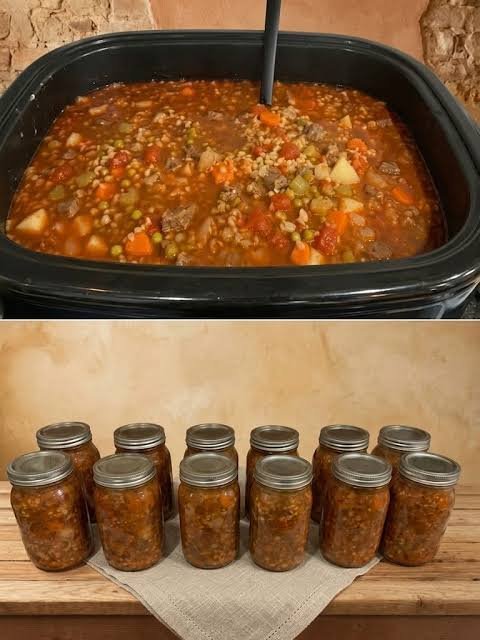
Canning beef barley soup at home is one of the most rewarding kitchen projects you can ever try because it gives you a shelf stable meal ready for any busy day. When the weather turns cold outside or you simply do not have time to cook from scratch after a long workday, having jars of this wholesome soup sitting in your pantry feels like pure magic. This wonderful recipe combines tender chunks of beef with hearty whole grains of barley and a colorful mix of garden vegetables all swimming in a rich and savory broth. You do not need to be a professional chef or an expert in food preservation to make this happen successfully in your own kitchen because the process is broken down into simple and manageable steps. The beauty of pressure canning is that it locks in all the natural flavors and nutrients without the need for artificial preservatives or chemical additives so you always know exactly what goes into your food. Every single spoonful delivers a comforting warmth that hugs your soul and reminds you of traditional home cooking passed down through generations.
People absolute adore this specific soup recipe because it strikes the ultimate balance between deep savory richness and comforting wholesome texture that satisfies any big appetite. The beef cooks slowly until it becomes wonderfully tender and practically melts in your mouth while the barley absorbs all those glorious aromatic juices from the broth. Unlike many other soups that can feel a bit too heavy or greasy, the addition of healthy whole grain barley adds a delightful nutty chewiness that keeps the texture interesting and very filling. Families love this dish because it appeals to both picky children and hungry adults alike who crave a bowl of pure comfort food on a lazy weekend afternoon. Furthermore the aroma that fills your entire house while you are preparing the ingredients and simmering the broth is enough to make anyone feel instantly welcome and hungry. It is a timeless classic that never goes out of style and always brings people together around the dining table for a shared moment of joy.
You should consider making a large batch of this wonderful canned soup whenever you want to prepare your pantry for busy winter months or hectic weeks ahead. From an emotional standpoint opening a jar of homemade soup on a rainy Tuesday evening provides a sense of deep comfort and instant stress relief after facing a difficult schedule. Taste wise the combination of slow cooked beef and earthy barley creates a flavor profile that store bought canned soups simply cannot replicate no matter how hard they try. From a fitness and nutrition perspective this meal is a fantastic option because it provides a balanced mix of lean protein from the beef and complex carbohydrates from the barley along with essential vitamins from fresh vegetables. It fuels your body properly without weighing you down making it a smart choice for anyone trying to maintain a healthy lifestyle while still enjoying hearty and satisfying comfort food. Making this soup is an act of self care and love for your family that pays off every single time you twist open a fresh jar.
Preparing this recipe ahead of time gives you tremendous peace of mind because you always have a nutritious homemade lunch or dinner waiting patiently on your shelf. You do not have to worry about running to the grocery store at the last minute or settling for expensive takeout food that might not even taste very good. Canning allows you to buy ingredients in bulk when they are fresh and affordable and preserve them at their absolute peak quality for future enjoyment. The process of sealing those glass jars creates a wonderful connection to traditional homesteading skills that give you a great sense of accomplishment and pride. Whether you are feeding a house full of hungry teenagers or simply stocking up your emergency food supply for peace of mind this recipe is a reliable champion. Dive into this wonderful cooking adventure today and discover just how easy and fulfilling it is to build your own delicious home canned pantry collection.
Ingredients You Will Need
To create a wonderful batch of home canned beef barley soup that yields about seven quart jars you will need to gather the following fresh and wholesome ingredients from your local grocery store or farmers market.
-
Beef Chuck Roast: 3 pounds cut into small bite sized cubes
-
Pearl Barley: 1 cup rinsed thoroughly in cold water
-
Olive Oil: 3 tablespoons for browning the meat
-
Onion: 2 large yellow onions finely chopped
-
Carrots: 4 medium carrots peeled and sliced into rounds
-
Celery: 4 stalks washed and sliced into small pieces
-
Garlic: 6 cloves minced finely for deep aroma
-
Beef Broth: 8 cups of low sodium quality broth
-
Tomato Paste: 3 tablespoons for extra depth of flavor
-
Dried Thyme: 1 teaspoon
-
Dried Rosemary: 1 teaspoon crushed gently between your fingers
-
Salt: 2 teaspoons or adjust to your personal preference
-
Black Pepper: 1 teaspoon freshly ground
-
Water: As needed for filling the jars
Step by Step Method
Making canned beef barley soup safely requires following proper pressure canning guidelines to ensure your food is completely safe to store on your pantry shelves for months to come.
Begin by preparing your workspace and ensuring all your canning equipment including your pressure canner and glass jars are thoroughly washed and inspected for any chips or cracks in the glass. Place your cubed beef chuck roast into a large heavy bottomed stockpot with a little bit of olive oil and brown the meat on all sides over medium high heat until it develops a nice golden color. You do not need to cook the meat all the way through at this stage because it will finish cooking inside the jars during the pressure canning process. Remove the browned beef from the pot and set it aside in a clean bowl while keeping the flavorful brown bits at the bottom of your pot for building incredible flavor.
Add a little more olive oil to that same stockpot if needed and toss in your chopped onions, sliced carrots, celery, and minced garlic to sauté them gently for about five to seven minutes until the vegetables begin to soften and smell amazing. Stir the tomato paste, dried thyme, dried rosemary, salt, and black pepper directly into the warm vegetable mixture so the herbs release their essential oils and blend beautifully with the vegetables. Pour in the beef broth and bring the entire mixture to a gentle boil while stirring occasionally to lift all those wonderful caramelized bits from the bottom of the pot. Return the cubed beef and its juices back into the simmering broth along with your rinsed pearl barley and let everything simmer together for about ten minutes so the flavors can start mingling.
While your soup base is gently warming up prepare your clean quart jars and screw bands according standard canning preparation methods while keeping your flat canning lids sitting in warm water to soften the sealing compound properly. Ladle the hot beef barley soup into your warm prepared canning jars using a wide mouthed funnel being very careful to leave about one inch of headspace at the top of each jar. Make sure you distribute the chunks of beef, vegetables, and barley evenly among all the jars so every single jar gets a wonderful variety of ingredients rather than just liquid broth. Pour hot water or additional warm broth into any jar that needs a little extra liquid to maintain that crucial one inch headspace before processing.
Take a clean damp cloth or paper towel and wipe the rims of every single jar completely clean to remove any stray bits of soup, oil, or food particles that might prevent the lid from forming a proper seal. Place a warmed flat canning lid onto the top of each jar and twist on the screw bands until they are fingertip tight which means you turn them until you feel resistance but do not force them down with all your strength. Place your filled jars carefully onto the rack inside your pressure canner that already contains the specified amount of hot water according to your specific canner manufacturer instructions. Secure the lid of your pressure canner tightly and turn your stove burner to high heat while leaving the vent pipe open until a steady stream of steam begins escaping continuously.
Allow that steady stream of steam to vent freely for ten full minutes to push all the trapped air out of the canner chamber before placing your weighted gauge or closing the petcock depending on the type of pressure canner you own. Watch the pressure dial or listen to your weighted gauge carefully until it reaches the correct pounds of pressure required for your specific altitude above sea level. Process your quart jars of beef barley soup at the correct pressure for a full ninety minutes while maintaining a steady and consistent pressure level throughout the entire cooking time. Once the ninety minutes are completely finished turn off the heat source and let the pressure canner cool down naturally all the way to zero pressure without rushing the process or trying to force it open.
Carefully remove the weighted gauge or open the petcock to make sure all remaining steam has safely escaped before opening the canner lid away from your face to avoid getting burned by the hot steam. Use a sturdy jar lifter to remove the hot jars straight from the canner one by one without tilting them and place them onto a thick towel on your kitchen counter leaving plenty of space between each jar. Let the jars cool undisturbed in a draft free spot for twelve to twenty four hours while you listen for those wonderful little popping sounds that signal successful vacuum seals have formed on every jar. Check the seals by pressing down gently on the center of each cooled lid to make sure it does not flex or pop back up before labeling your jars with the date and recipe name. Store your finished jars in a cool, dark, and dry pantry space where they will stay delicious and safe to eat for up to a year or even longer.
Why This Recipe Is Special
This homemade beef barley soup stands out from ordinary recipes because it combines traditional homesteading preservation methods with deeply comforting flavors that make everyday dining feel like a special occasion. One of the main reasons this recipe is so beloved is the incredible nutritional value packed into every single bite without any complicated ingredients or hard to find items. The lean beef provides high quality protein that helps keep your muscles strong and your energy levels steady throughout busy afternoons when you need focus the most. Meanwhile the pearl barley is an absolute superstar grain packed with soluble dietary fiber that supports healthy digestion, keeps your heart happy, and helps you feel full and satisfied for hours after eating.
Furthermore the vibrant mix of carrots, onions, and celery adds essential vitamins, minerals, and antioxidants that support your overall immune system health during cold weather seasons when everyone needs extra nutritional backup. From a culinary perspective the slow processing inside the pressure canner allows the flavors to meld together in a way that regular stovetop simmering simply cannot achieve because the sealed environment drives the savory goodness deep into every grain of barley and piece of beef. It is truly the ultimate convenience food that requires zero artificial preservatives, excess sodium, or mystery chemicals commonly found in commercially processed canned soups at the supermarket. When you serve a bowl of this wholesome soup to your loved ones you are offering them a gift of genuine health, warmth, and traditional comfort.
Extra Tips for Better Taste
Taking your canned beef barley soup from simply good to absolutely unforgettable is easy when you use a few clever kitchen tricks and creative flavor boosters during preparation or serving time.
-
Sear your beef cubes in small batches rather than crowding the pot all at once so the meat develops a deep caramelized crust that adds massive rich flavor to your broth.
-
Rinse your pearl barley thoroughly in a fine mesh strainer before adding it to the pot to remove excess starch which keeps your soup broth clear and prevents it from turning overly thick or cloudy inside the jar.
-
Add a splash of Worcestershire sauce or a tiny drop of balsamic vinegar to the soup base right before canning to elevate the savory beef flavor notes with a subtle gourmet touch.
-
Toast your dried herbs gently in a dry skillet for just thirty seconds before adding them to the pot to awaken their natural essential oils and make the aroma even more vibrant.
-
Stir in a handful of fresh chopped parsley or a squeeze of fresh lemon juice into your bowl right before eating after you open a jar to brighten up all the rich earthy flavors instantly.
Final Thoughts
Embarking on the journey of canning your own beef barley soup is a wonderful way to bring warmth, comfort, and self reliance directly into your everyday home routine. There is something deeply satisfying about looking at a neat row of glowing glass jars filled with nourishing food sitting proudly on your pantry shelf ready to rescue you on your busiest days. Even if you are a complete beginner in the kitchen taking things one simple step at a time will lead you to delicious success that you can share proudly with friends and family. Enjoy every single moment of the cooking process, savor the wonderful aromas filling your home, and relish the delicious taste of a homemade meal made with your own hands.
Nutrition Details
To help you keep track of your daily nutritional goals here is a detailed breakdown of the estimated nutritional content per serving of this delicious home canned beef barley soup based on standard ingredient calculations.
| Nutrient Category | Amount Per Serving |
| Calories | 280 kcal |
| Total Fat | 9 grams |
| Saturated Fat | 3 grams |
| Cholesterol | 45 milligrams |
| Sodium | 650 milligrams |
| Total Carbohydrates | 28 grams |
| Dietary Fiber | 5 grams |
| Sugars | 4 grams |
| Protein | 22 grams |
Disclaimer
Please remember that everyone’s body, health conditions, and nutritional needs are completely unique and individual results may vary significantly from person to person. The nutritional information and dietary tips provided in this article are intended solely for general educational and informational purposes and should never be used as a substitute for professional medical advice, diagnosis, or treatment. Always consult with a qualified healthcare provider, doctor, or registered dietitian before making any major changes to your daily diet, starting a new fitness routine, or if you have any specific health concerns, food allergies, or medical dietary restrictions.