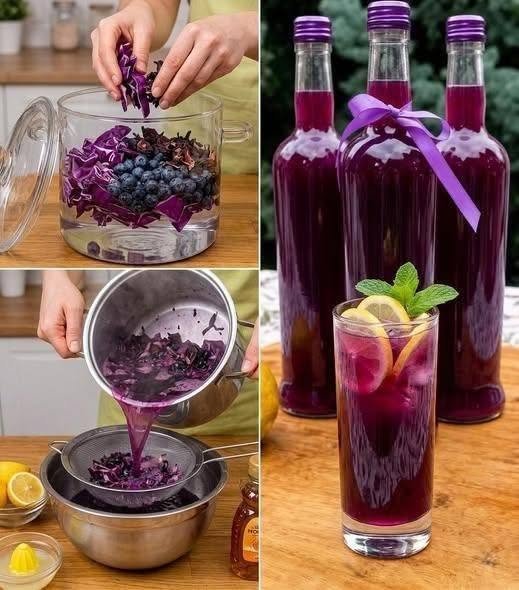
Imagine standing in your kitchen on a warm, sunny afternoon with a big bowl of fresh, plump grapes that are bursting with natural sweetness and vibrant color. This recipe is all about showing you how to turn those beautiful, juicy fruits into a glass of homemade grape juice that is completely fresh, incredibly rich in flavor, and entirely free from any artificial additives. Most of the juice bottles you buy at the local grocery store are heavily processed, pasteurized at extreme temperatures that strip away natural flavors, and packed with added white sugars or high fructose corn syrup to make them shelf stable. Making your own juice at home allows you to experience the true, authentic taste of the fruit exactly as nature intended, while keeping every single drop as pure and healthy as possible. You do not need a fancy, expensive electric juicer or any specialized molecular kitchen equipment to create this deeply comforting and refreshing drink in your own home. With just a standard blender, a large pot, and a basic fine mesh strainer, you can easily craft a luxurious beverage that puts any store bought version to absolute shame.
People all over the world have a deep, enduring love for grape juice because it carries a sense of pure nostalgia that instantly transports us back to the simple joy of childhood afternoons. Kids adore the rich, purple hue and the intensely sweet, fruity flavor that feels like a special holiday treat, while parents appreciate how easy it is to serve a natural drink that contains zero artificial chemicals. Home cooks love this recipe because it is incredibly versatile, letting you use whatever variety of grapes you have on hand, whether they are sweet green seedless grapes, tart red flame grapes, or deeply aromatic concord grapes. It is also an exceptional way to use up a large harvest of backyard grapes or a big batch of fruit from the farmers market that might be getting a little too soft to eat whole but is still packed with sweet juice. There is a wonderful, simple pride that comes with serving your family a pitcher of beverage that you pressed and strained with your own two hands, knowing exactly what went into the glass. It is a timeless classic that brings people together, satisfies your cravings for something sweet and refreshing, and makes your kitchen feel like a cozy, traditional farmhouse.
There are countless perfect moments and deeply emotional reasons to make a batch of this beautiful purple drink, whether you are looking to treat your taste buds or support your daily fitness goals. During the hot summer months, serving a tall, frosted glass of cold grape juice poured over a mountain of crushed ice is the absolute ultimate way to cool down after spending a busy afternoon gardening or playing in the yard. On a chilly autumn evening, you can gently warm the fresh juice in a small saucepan with a cinnamon stick and a couple of cloves, creating a cozy, spiced beverage that warms you up from your head down to your toes. For fitness enthusiasts and active individuals, this juice serves as a spectacular, natural pre workout energy source because it is packed with healthy, easily digestible carbohydrates that give your muscles a clean, rapid fuel boost before a tough training session. On an emotional level, the slow, rhythmic process of washing the round grapes, watching them burst and release their colorful liquid, and straining the smooth juice acts as a peaceful form of culinary therapy that helps you slow down and appreciate the simple beauty of cooking.
Ingredients You Will Need
To make four generous, tall glasses of this vibrant and refreshing homemade juice, you will need to gather these simple and natural ingredients:
Four pounds of fresh grapes, which can be Concord, black, red, or green grapes, washed very thoroughly and removed from their green stems
One cup of clean, filtered drinking water, which is only needed if you are using a blender to help the fruits blend smoothly
One tablespoon of fresh lemon juice, which is completely optional but helps balance the intense sweetness with a tiny touch of bright acidity
One tablespoon of raw organic honey or pure maple syrup, which is also optional and only needed if your grapes are exceptionally tart or out of season
Two fresh mint sprigs, washed and gently patted dry to use as a beautiful, fragrant garnish for your serving glasses
Step by Step Method
Step One: Wash and Stem Your Grapes
Begin by placing your four pounds of fresh grapes into a large colander or clean mixing bowl. Run plenty of cold water over the fruit, using your hands to gently agitate and rub the grapes to remove any natural white powdery wax, dust, or dirt that might be clinging to the skins. Once the grapes are completely clean, spend a few quiet minutes plucking each individual grape off its woody green stems, dropping the clean grapes into a large bowl and discarding the stems. Take a close look through your fruit as you do this, removing any grapes that are completely shriveled, bruised, or showing signs of mold so that your finished juice tastes as fresh and clean as possible.
Step Two: Blend the Fruit
If you are using the blender method, which is the easiest and fastest way for beginners to make juice at home, transfer half of your clean grapes into the pitcher of a high speed blender. Pour in your one cup of clean, filtered drinking water, which acts as a liquid catalyst to help the blender blades catch the fruit without getting stuck. Secure the lid tightly and start blending on low speed for about thirty seconds to break the fruit down, then increase the speed to high and blend for another sixty seconds. You want the mixture to look like a thick, frothy, and completely purple puree, but try not to over blend to the point where any hard grape seeds are pulverized into a fine powder, as this can make the juice taste slightly bitter. Repeat this blending process with the remaining half of your grapes.
Step Three: Simmer the Puree
Pour your blended grape puree directly into a large, heavy bottomed pot or saucepan. Place the pot on your stove over medium heat and bring the mixture to a very gentle simmer, which should take about five to seven minutes. Once the mixture is simmering and small bubbles are popping on the surface, turn the heat down to low, cover the pot with a lid, and let it cook gently for about ten to fifteen minutes. This cooking step is highly important because the gentle heat helps to break down the tough outer skins of the grapes, releasing all of their deeply hidden juices, natural sweetness, and intense, beautiful purple color pigments into the liquid.
Step Four: Prepare Your Strainer
While your grape mixture is simmering on the stove, set up your straining station. Place a large, heatproof glass bowl or pitcher onto a flat, sturdy workspace. Set a large, fine mesh metal strainer directly over the top of the bowl, ensuring it fits securely without wobbling. To get the clearest, smoothest juice possible without any cloudy sediment or tiny bits of pulp, line the inside of the metal strainer with a double layer of clean, unbleached cheesecloth or a large paper coffee filter.
Step Five: Strain the Liquid
Carefully turn off the heat on your stove and lift the hot pot of simmered grape mixture. Slowly pour the hot liquid directly into your prepared cheesecloth lined strainer, doing this in small batches if your strainer is on the smaller side. Let the juice drip naturally through the cloth and into the bowl below for about fifteen to twenty minutes, resisting the temptation to press down hard on the pulp with a spoon. Pressing too firmly on the pulp can force tiny bits of fruit solids through the cloth, which will make your finished juice look cloudy instead of beautifully clear and translucent.
Step Six: Squeeze the Rest of the Juice
Once the dripping has slowed down to a very slow crawl, gather the four corners of your cheesecloth together in your hands to form a secure pouch around the remaining grape pulp. Use a pair of clean tongs or your fingers, once the pulp has cooled down enough to touch safely, to gently squeeze the pouch, extracting the last remaining drops of concentrated, flavorful juice from the skins. Discard the leftover seeds and pulp, or save them to add to your outdoor compost bin.
Step Seven: Flavor and Chill
Take a small spoon and taste your freshly strained grape juice. If your grapes were a bit tart, you can stir in your optional tablespoon of raw organic honey or maple syrup while the juice is still slightly warm, which allows the sweetener to dissolve completely. Stir in your tablespoon of fresh lemon juice to brighten up the overall flavor profile. Let the juice sit on your counter until it reaches room temperature, then cover the pitcher tightly and place it in the refrigerator to chill for at least three to four hours.
Step Eight: Serve with Pride
Once your homemade juice is thoroughly chilled, give it a quick stir with a long spoon to redistribute any natural fruit sugars that may have settled at the bottom of the pitcher. Fill four tall, clean glasses with ice cubes, pour the beautiful purple liquid over the ice, and garnish each glass with a fresh sprig of green mint. Your delicious, natural, and homemade grape juice is now completely ready to be served and enjoyed by your family and friends.
Why This Recipe Is Special
This homemade grape juice recipe is an incredibly special addition to your kitchen repertoire because it celebrates the pure, unadulterated power of whole foods in a way that commercial products simply cannot match. When you buy a bottle of juice from a supermarket shelf, it has almost always been subjected to ultra high temperature pasteurization, which kills off many of the delicate, heat sensitive vitamins and natural enzymes that make the fruit so beneficial for your body. By using a gentle, low temperature simmer in your own kitchen, you are preserving the maximum amount of active nutrients, ensuring that every glass you drink is a true source of physical nourishment. Furthermore, this recipe is completely free of added chemical preservatives, artificial colors, and synthetic flavor enhancers, giving you peace of mind that you are serving a clean, honest beverage to your loved ones.
Grapes are incredibly rich in a variety of essential vitamins, particularly Vitamin C, which plays a critical role in supporting a healthy, robust immune system, promoting rapid wound healing, and encouraging the natural production of collagen for healthy, glowing skin. They also contain a wonderful amount of Vitamin K, an essential fat soluble vitamin that your body needs to maintain strong, healthy bone density and support normal, safe blood clotting processes. The deep purple color of the juice is a visual indicator of the presence of polyphenols, which are natural plant compounds that help combat systemic inflammation throughout your body, protect your blood vessels from daily damage, and support healthy cognitive function as you go about your busy week. This juice is a magnificent example of how simple, traditional kitchen techniques can transform raw, seasonal fruit into a beverage that is both exceptionally delicious and highly functional for your physical vitality, proving that the most healthy choices in life are often the ones we create ourselves with simple ingredients.
Extra Tips for Better Taste
To make your fresh grape juice taste even more incredible, there are several fun and creative ways you can modify the flavors and experiment in your kitchen. First, consider mixing different varieties of grapes together, as combining sweet, mild green seedless grapes with tart red grapes and intensely aromatic purple concord grapes will result in a complex, multi layered flavor profile that is absolutely outstanding. If you want a sparkling, festive beverage that feels like a non alcoholic cocktail, try filling your serving glasses halfway with your concentrated grape juice and topping them off with cold, bubbly sparkling water or club soda right before serving. You can also introduce a lovely, warm herbal note by dropping a clean sprig of fresh rosemary or thyme directly into the warm juice as it cools, allowing the savory herbs to infuse their oils into the sweet purple liquid for a highly sophisticated, adult friendly taste.
Another fantastic tip for an extra smooth and refreshing experience is to freeze some of your whole grapes on a baking sheet before making the juice, using these frozen grape spheres instead of regular ice cubes in your serving glasses so that your drink stays ice cold without ever getting watered down as the ice melts. If you find that your juice has a slightly gritty texture at the bottom of the glass, this is completely natural and is caused by tartaric acid crystals, which commonly form in fresh, unpasteurized grape juice when it gets cold. You can easily remove these harmless crystals by letting your finished juice sit undisturbed in the refrigerator overnight, allowing the sediment to settle to the absolute bottom of the pitcher, and carefully pouring the clear juice into a clean container while leaving the sediment behind. Lastly, always try to purchase organic grapes whenever you can, as this ensure that your juice is completely free from any synthetic chemical residues or agricultural sprays, leaving you with nothing but pure, wholesome, and delicious fruit flavor.
Final Thoughts
Crafting a fresh pitcher of this homemade grape juice is a beautiful, rewarding way to slow down, connect with the natural rhythms of clean eating, and bring a touch of sweet joy into your home. This recipe is a gentle, comforting reminder that some of the absolute best things in life do not require a long list of ingredients, heavy machinery, or complex techniques, but rather just a little bit of patience, care, and fresh fruit. Whether you are pouring a glass to refresh yourself after a long run, sharing a sweet afternoon snack with your kids, or serving it at a festive family brunch, this juice is guaranteed to make the moment feel extra special. So find some beautiful, ripe grapes at your local market, head into your kitchen, and enjoy the wonderful process of pressing your own pure, sweet liquid sunshine.
Nutrition Details
This table provides the approximate nutritional values for one single glass of this homemade grape juice, assuming the entire recipe is divided into four equal, generous servings and prepared without any added sweetener.
Disclaimer
Please keep in mind that every human body is completely unique, and individual physical reactions, digestion rates, and health benefits from drinking fresh grape juice can vary from person to person depending on your overall health status and lifestyle. Because fresh, unpasteurized fruit juice contains a concentrated amount of natural fruit sugars, it is always a good idea to enjoy it in moderation as part of a balanced diet, especially if you are working to manage your blood sugar levels or weight. The nutritional information provided in the table above is a general estimate calculated using standard USDA ingredient databases, and should not be used as a substitute for professional medical advice, personalized nutrition planning, or direct guidance from your primary doctor. If you suffer from any food allergies, chronic metabolic issues, or severe digestive sensitivities, please consult with a qualified healthcare professional or a registered dietitian before making significant adjustments to your daily nutrition and hydration habits.